Trekking on Your Period: A Candid Guide to Menstrual Hygiene in the Mountains
Cold, remote and short on water: what managing a period on a Himalayan trek really involves. Practical options, pack-out rules and how to talk to your leader.
· 6 min read
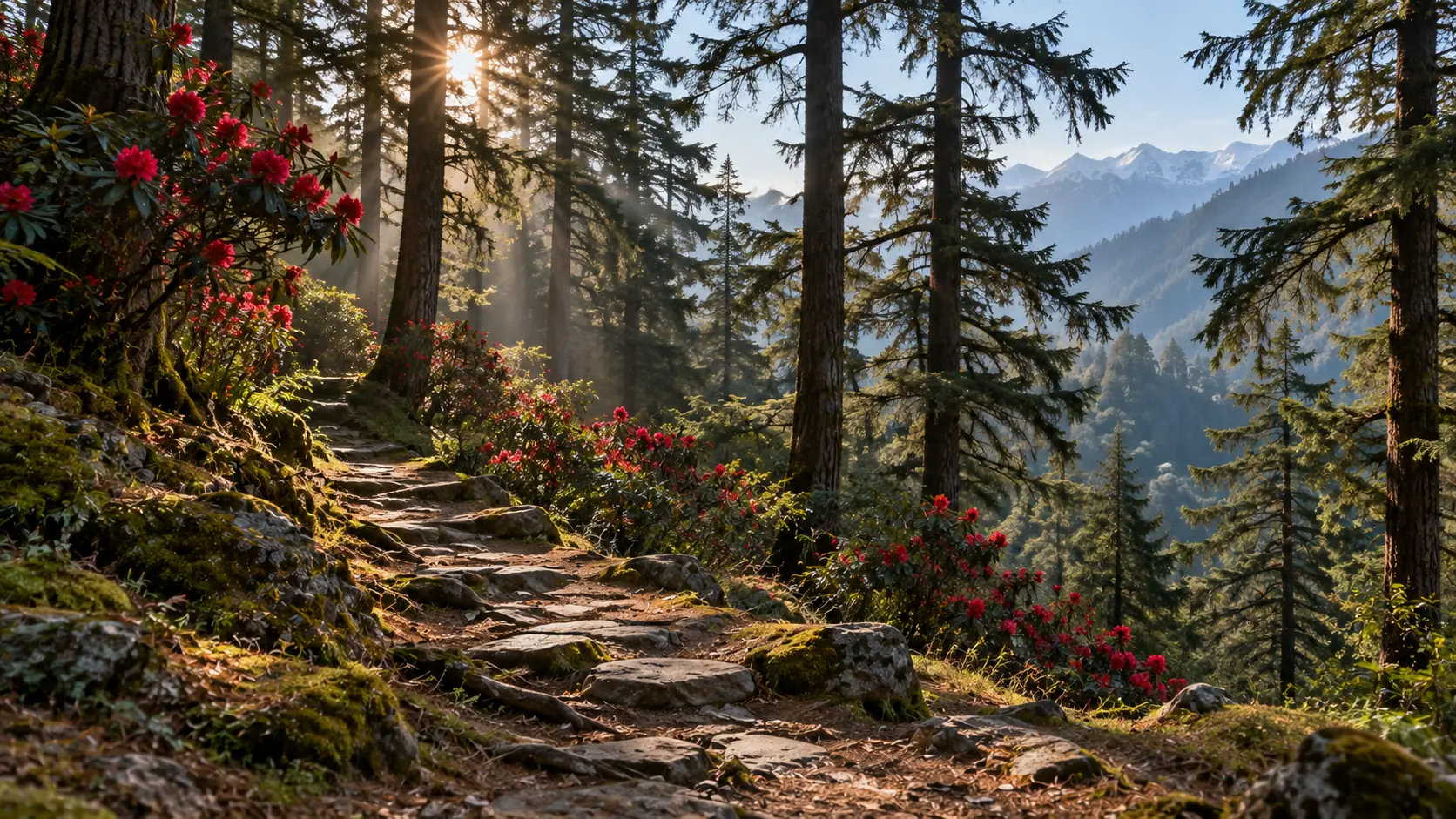
Let us say it plainly. Many women trek while on their period, and it is completely fine to do so. Periods do not disqualify you from the mountains. They just add a few things to plan for: cold, limited water, no bins and no bathroom door.
Most women say the worry beforehand was bigger than the reality. With a bit of preparation, it becomes one more thing in your pack list. This guide is written to be practical, honest and useful, whether it is your first trek or your tenth.
First, the surprises
Your cycle may not follow its usual rules in the mountains. Travel, altitude, a new sleep pattern, a change in food and the physical effort can all shift your timing. Some women get their period early, some late, some find it is lighter or heavier. This is common and usually nothing to worry about.
The simple advice is to pack as if it might arrive, even if you are not due. A spare set of supplies weighs very little, and having it costs you nothing.
Your options, with honest pros and cons
There is no single right choice. The best product is the one you have already used and trust. The mountains are a bad place to try something new for the first time. Test it at home, and on a long walk, before the trek.
- Menstrual cups: reusable, compact and very little to pack out. A cup can be worn for many hours, which suits long days on the trail. The catch is that emptying and rinsing needs a little water and privacy, and some people find that tricky outdoors. Practise first.
- Pads: simple and familiar. Choose ones with good adhesive and carry more than you think you need. The downside is the waste, since every used pad has to be carried out. Cold, damp days can also make them uncomfortable.
- Tampons: easy to carry and discreet. Change them on schedule, and remember that applicators and wrappers are waste too. Pack-out is the same as for pads.
- Period underwear: washable and leak-resistant. Many women use them as backup alongside a cup. The drawback is that they need washing and drying, which is slow in cold, damp weather.
- A mix: lots of experienced trekkers combine, for example a cup with period underwear as a safety net. Choose what gives you confidence.
The golden rule: pack it out
Used period products never get buried or burned. Both harm the soil, water and wildlife, and in cold, high places they do not break down for a very long time. They also get dug up by animals. Everything goes back down with you.
Here is a simple system that works:
- Bring a few small opaque or dark ziplock bags, or paper bags that fit inside a larger one. Nobody sees what is inside.
- Place the used product in a bag, seal it, and put it in a second bag if you wish. Add a sprinkle of baking soda or a tea bag to reduce odour.
- Keep the bag in a dedicated pouch at the bottom of your daypack. Many women use a small drawstring bag or a dry bag.
- At camp, hand it over with the rest of your waste or carry it to the road, depending on your trek leader's instructions. Do not worry about awkwardness. The team has seen it all.
- Carry a small pouch of fresh supplies, wipes and hand sanitiser, so you can change quickly at the toilet tent.
Staying clean when water is limited
On most days, you will not have a long, warm shower. You can still stay fresh and comfortable.
- Wipes: unscented, intimate-area-safe wipes work well. Carry the used ones out too. Many wipes labelled flushable are not biodegradable.
- Warm water: ask the crew for a small bottle of warm water at camp. It makes cleaning up far more comfortable.
- Hand hygiene: wash or sanitise before and after every change. This matters most for avoiding infections.
- Cups: rinse with a little clean water, or wipe with a clean tissue and wash properly when you reach camp. Boil or sanitise between cycles.
- Clean underwear daily, and keep damp items from sitting in your bag. Hang them off your pack to dry in the sun.
- Wear breathable cotton or quick-dry fabric. Avoid tight, damp layers for long periods.
Cramps, cold and tired days
Cold can make cramps feel worse, and long climbs can drain you. A few things help:
- Keep your lower back and belly warm. A thermal layer or a heat pack inside your base layer works well.
- Drink warm fluids through the day, such as soup, tea or hot water with ginger.
- Eat regularly. Low energy makes everything harder.
- If you usually take a pain relief medicine, check with your doctor about what is right for you at altitude and carry it in your daypack.
- Expect a slightly slower day. It is fine to walk gently and take extra rests. That is not failure.
If you have heavy bleeding, severe pain, or a condition such as endometriosis, PCOS or anaemia, please speak to your doctor before the trek. Hormonal options for adjusting or skipping a period are a decision for you and your doctor. Never start anything new for the first time just before a trip.
Talk to your trek leader
This is the tip many women wish they had followed sooner. You do not need to share details. A simple heads-up, such as 'I might get my period on this trek', is enough. Your leader can then make sure you get a bit of privacy, a stop near the toilet tent when you need it, warm water in the morning and a quiet word if the pace is hard.
If you would prefer to speak with a woman on the team, say so when you book. We cannot promise a specific person on every trek, but we will tell you honestly what is possible and do our best to make you comfortable.
What to pack, in one list
- Your usual products, plus a few extra days' worth.
- Opaque disposal bags and a small pouch to hold them.
- Wipes, hand sanitiser and a spare pair of underwear in a dry bag.
- A thermal layer, a hot water bottle if you like one, and your usual pain relief.
- A small, labelled bag with your period kit, so you can find it fast in a dark tent.
You are not the first, and you will not be the last
Women have trekked, climbed and guided in the Himalaya for as long as there have been trails. A period is one more thing to plan for, like the weather or a blister. With the right kit and the right attitude, it will not stop you from standing on that ridge at sunrise.
Have a question you would rather ask privately? Send a message to a trek leader on WhatsApp. No question is too small, and nobody will make it awkward.
Questions before you book?
A trek leader will answer on WhatsApp, usually the same day.
WhatsApp +91 98412 74429