Is High-Altitude Trekking Safe for Solo Women? What Happens on the Trail
A straight answer for women thinking of trekking alone: what a group trek is really like, how camps and homestays work, and the questions worth asking before you book.
· 5 min read
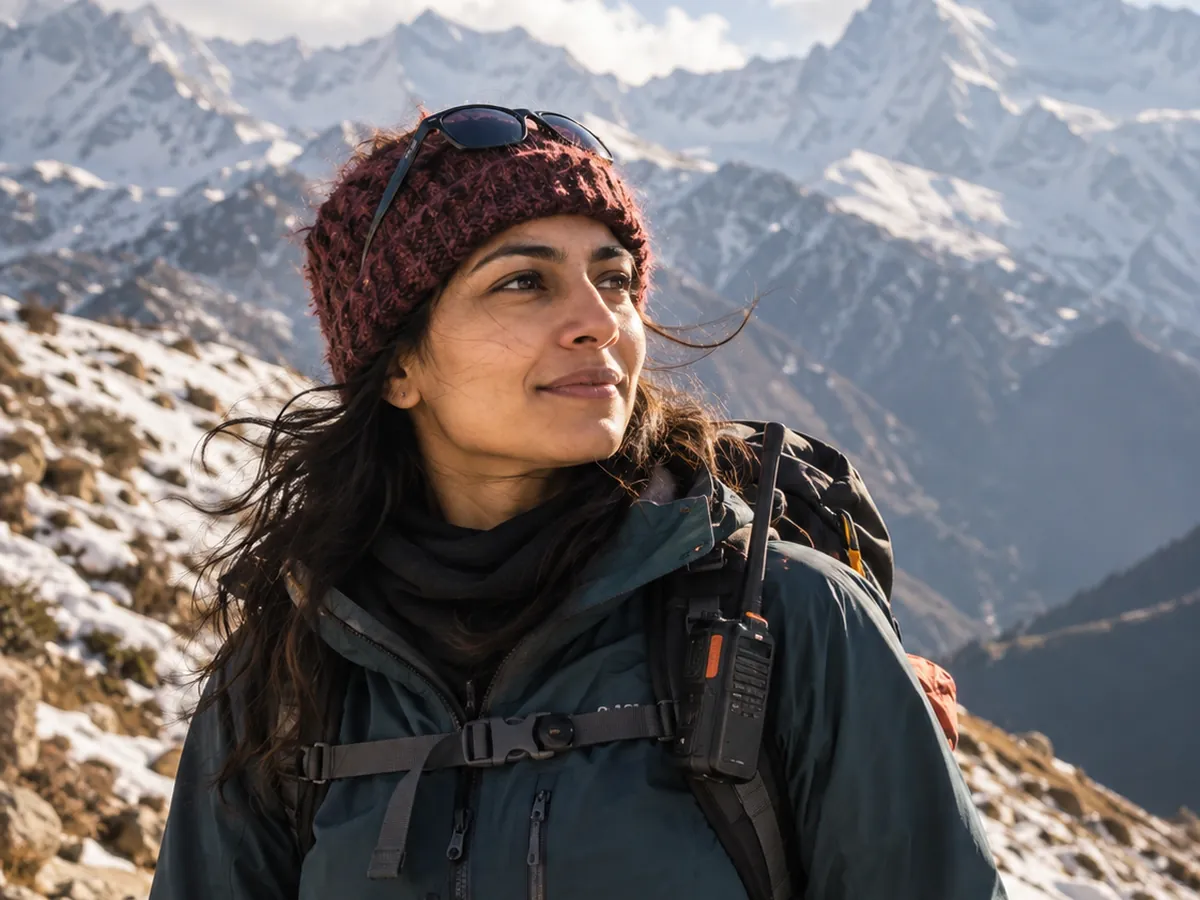
If you are a woman thinking about a trek on your own, you have probably asked this already. Is it safe? Will I be the only one? What if something goes wrong? These are good questions, and you deserve a real answer, not a brochure line.
Here is our honest take. First, a clarification: when we say solo, we mean booking on your own and joining a small group trek. Walking alone into the high Himalaya with no support is a different thing, and we do not recommend it for anyone.
The short answer
Many women travel solo on small-group treks and have a great time. No trip anywhere in the world can promise zero risk, and the mountains add their own: weather, altitude, rough ground. But a well-run group trek with a trained leader and local crew is a very different thing from going alone, and most of the usual solo-travel worries are well covered.
What really makes a difference is who you travel with and how the trek is run. So here is what to look for.
What a group trek actually looks like
You will meet your group at the base point, usually the evening before or on the first morning. Expect a mix of ages and backgrounds: friends, couples, colleagues, other solo travellers. Most people are on their own for the first hour and in a chatty cluster by lunch.
You walk with a certified trek leader and a local crew who know the route. Someone is always ahead, someone is always behind, and your pace is watched. On the trail, you are rarely alone, but you are never forced to talk either.
Where you sleep
- At camp: tents are usually shared. Solo female trekkers are commonly paired with other women where possible. If this matters to you, tell us when you book and we will explain how it works on your date.
- In villages and homestays: rooms are typically simple and shared, with warm blankets and a kitchen fire. Families run many of these stays, and hosts are used to trekkers.
- Toilets: dry toilet tents or designated spots are set a short walk from camp. You can ask a tent mate to walk with you at night, or ask a leader.
- Privacy: in tents and rooms, changing under a sleeping bag is a time-tested trick. Pack a big cardigan or poncho for changing in shared spaces.
Questions worth asking any operator
A good team welcomes questions. Here are the ones to ask us, and anyone else you are considering:
- How do tent and room arrangements work for solo women?
- Is there a woman on the leader or crew team on my date? If you prefer one, ask early. We cannot promise one on every trek, and we will tell you plainly what is possible.
- What is the group size feel, and how many other solo travellers usually join?
- How does the team stay in touch with base, and what is the plan if someone becomes unwell?
- What is the descent or evacuation plan if I need it?
- Who do I speak to if something makes me uncomfortable? You should always have a clear answer.
Safety that is actually practical
- Tell two people your route and dates. Leave your trek leader's contact and the operator's number with family.
- Share your health notes. Medical conditions, allergies, your cycle, a sensitive stomach. All of it helps your leader look after you.
- Stay with the group. Do not wander off alone at dusk or into the forest, and always tell someone where you are going.
- Trust your instincts. If a person or situation feels off, say so, and your leader will take it seriously. You do not have to be polite about your own safety.
- Limit alcohol. It affects judgement, and above 3,000 m it affects your breathing and sleep too.
- Respect altitude. Report headaches and dizziness at once. Altitude is the biggest health risk on most treks, more than anything else.
Staying connected
Signal disappears on most high treks, often from day two. Tell your family this in advance, so a quiet phone does not cause panic. Share your itinerary and ask the operator how the team contacts base. Download offline maps and the emergency numbers you might need before you leave. A power bank is useful, but do not count on being online.
What to pack, with a solo woman in mind
- A headlamp and spare batteries, because it gets dark early.
- A small first-aid pouch with your own medicines, and period products even if you are not due.
- Warm, quick-dry layers and a proper sleeping bag liner for comfort and warmth.
- A sturdy pair of trekking shoes broken in at home.
- A whistle on your daypack. It is small, light and good to have.
- A pouch for your valuables, kept on you and never left in a shared tent.
- Ziplock bags to carry out all your waste, including toilet paper.
Which treks suit a first solo trip?
If this is your first time on your own, a trek that is moderate, well-trodden and below about 4,000 m is a kind place to start. Kedarkantha, Dayara Bugyal and Brahmatal all fit that description, with clear trails, camps and villages not far away, and a rhythm that makes it easy to settle in. Our trek pages list the difficulty and the months, so you can pick the one that matches your experience.
The part nobody puts in the ad
The thing solo women often say afterwards is not about safety. It is about how quickly the nervousness melts. By day two you are sharing snacks with strangers. By day three you are laughing about something silly. By the summit, you have walked further than you thought you could, on your own terms.
It is natural to feel nervous. It does not mean you should not go. It means you are paying attention, and that is exactly the right attitude for the mountains.
Ask us anything
If you are weighing up a first solo trek, ask a trek leader on WhatsApp. Tell us what worries you, and we will answer honestly, including when the answer is that a particular trek is not the right fit for you yet.
Questions before you book?
A trek leader will answer on WhatsApp, usually the same day.
WhatsApp +91 98412 74429Treks in this story
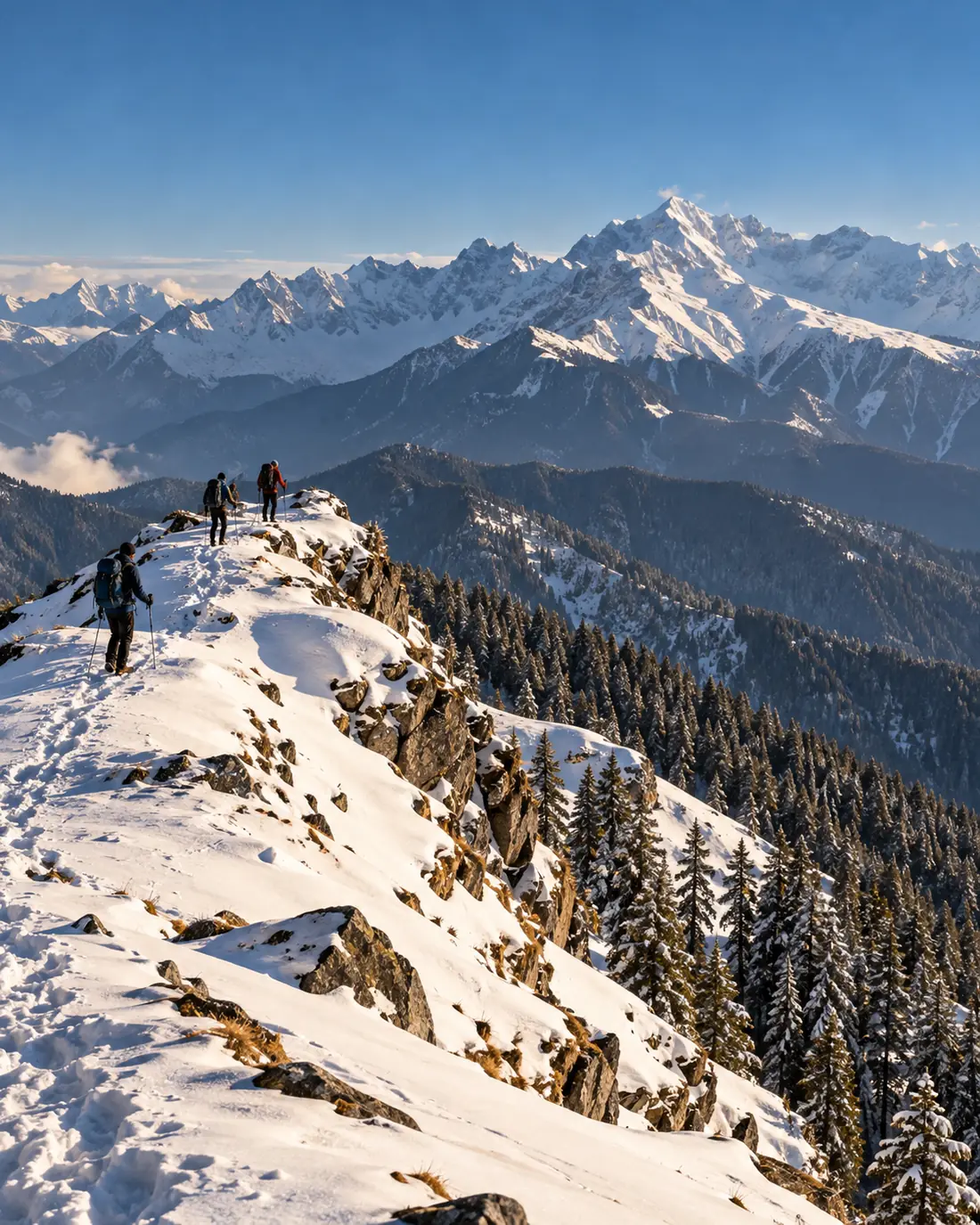
Winter Snow
Kedarkantha
Uttarakhand
The classic first snow summit, through silent pine forest.
- 6 days
- 3,810 m
- Dec – Apr
₹6,000 per person
Next departure 5 Dec
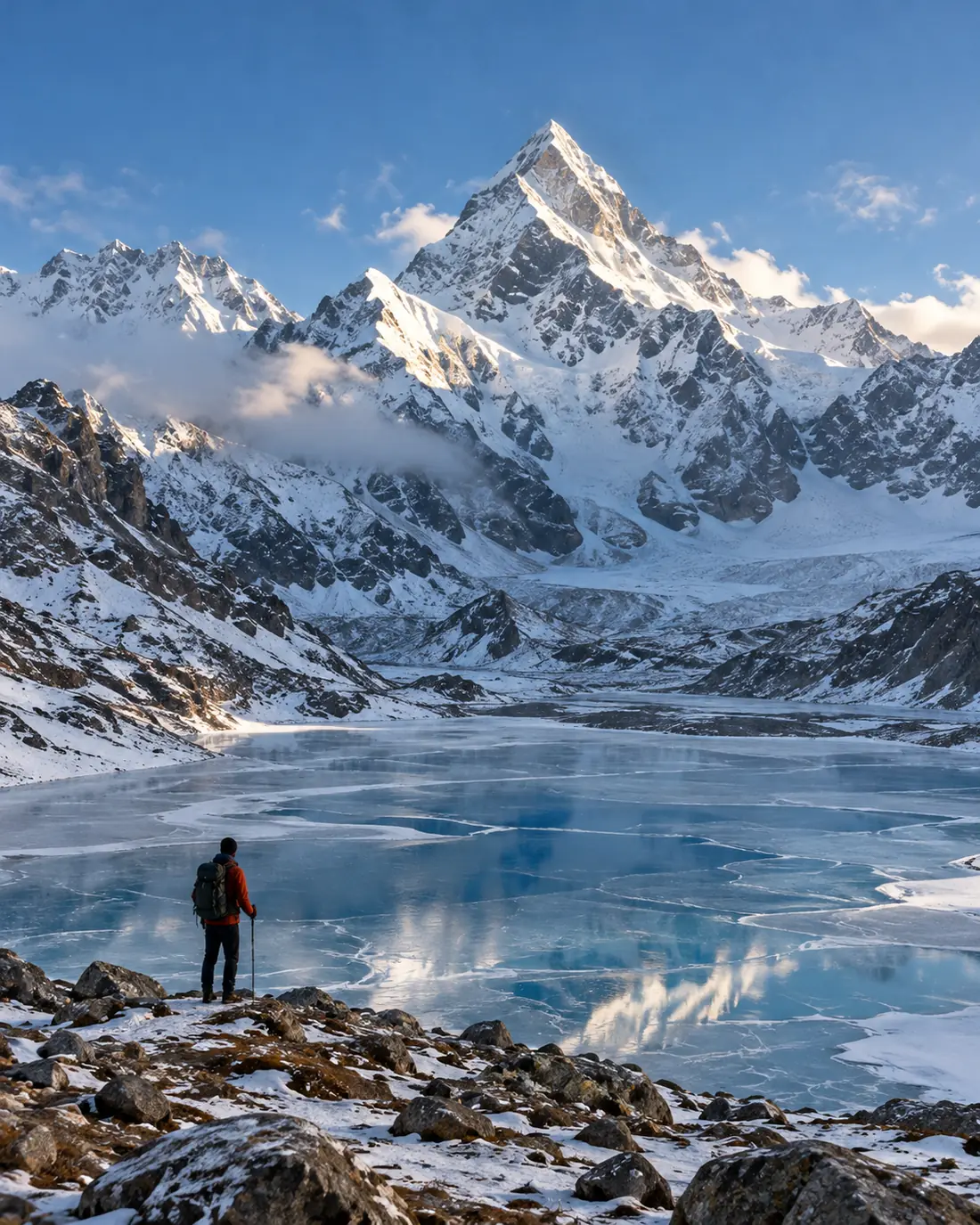
Winter Snow
Brahmatal
Uttarakhand
A frozen lake with Trishul and Nanda Ghunti for company.
- 6 days
- 3,734 m
- Dec – Mar
₹10,499 per person
Next departure 21 Dec
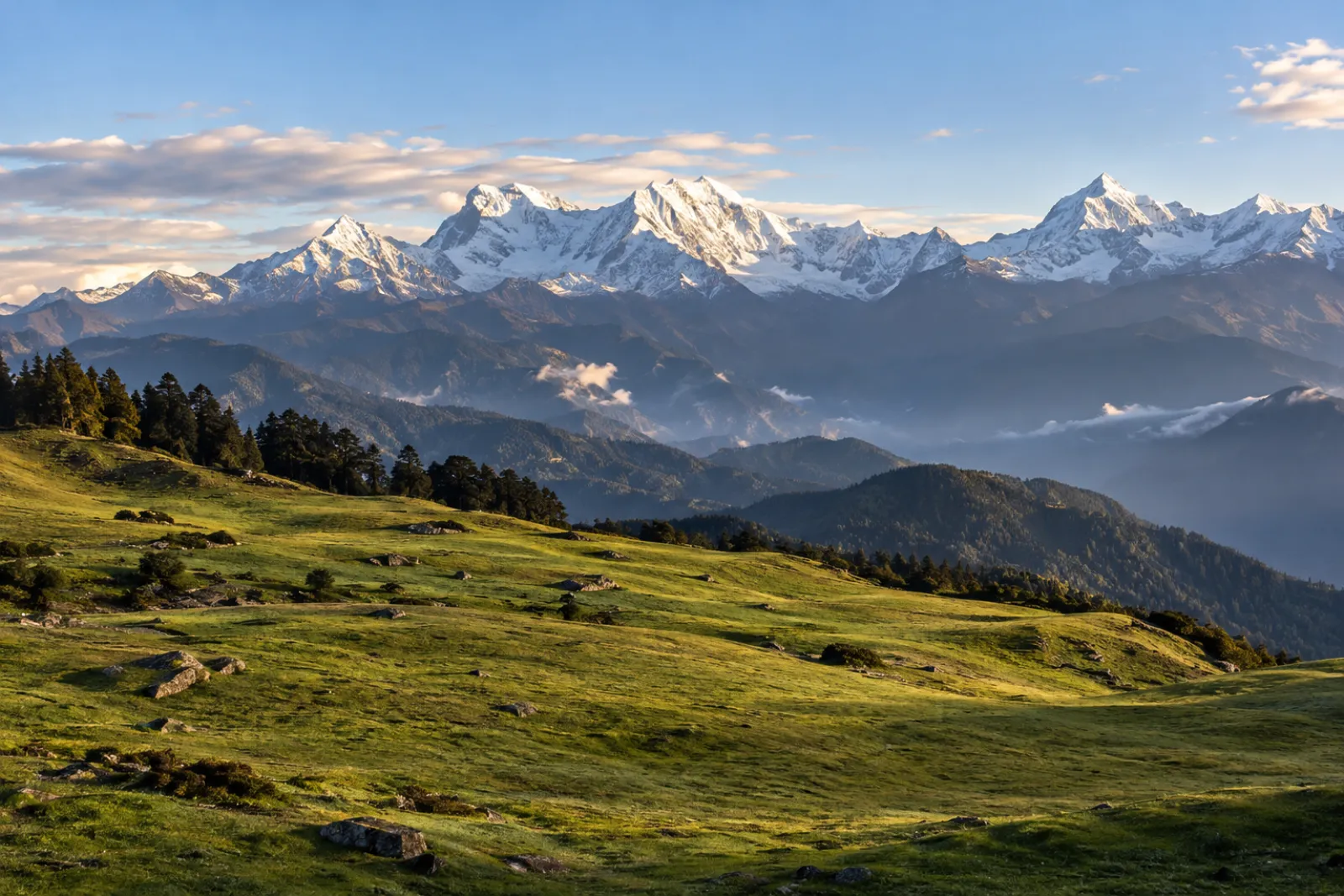
Alpine Meadows
Dayara Bugyal
Uttarakhand
One of India's most beautiful high meadows, in five easy days.
- 5 days
- 3,650 m
- All year (snow Dec – Mar)
₹8,999 per person
Dates on request