Skip to content
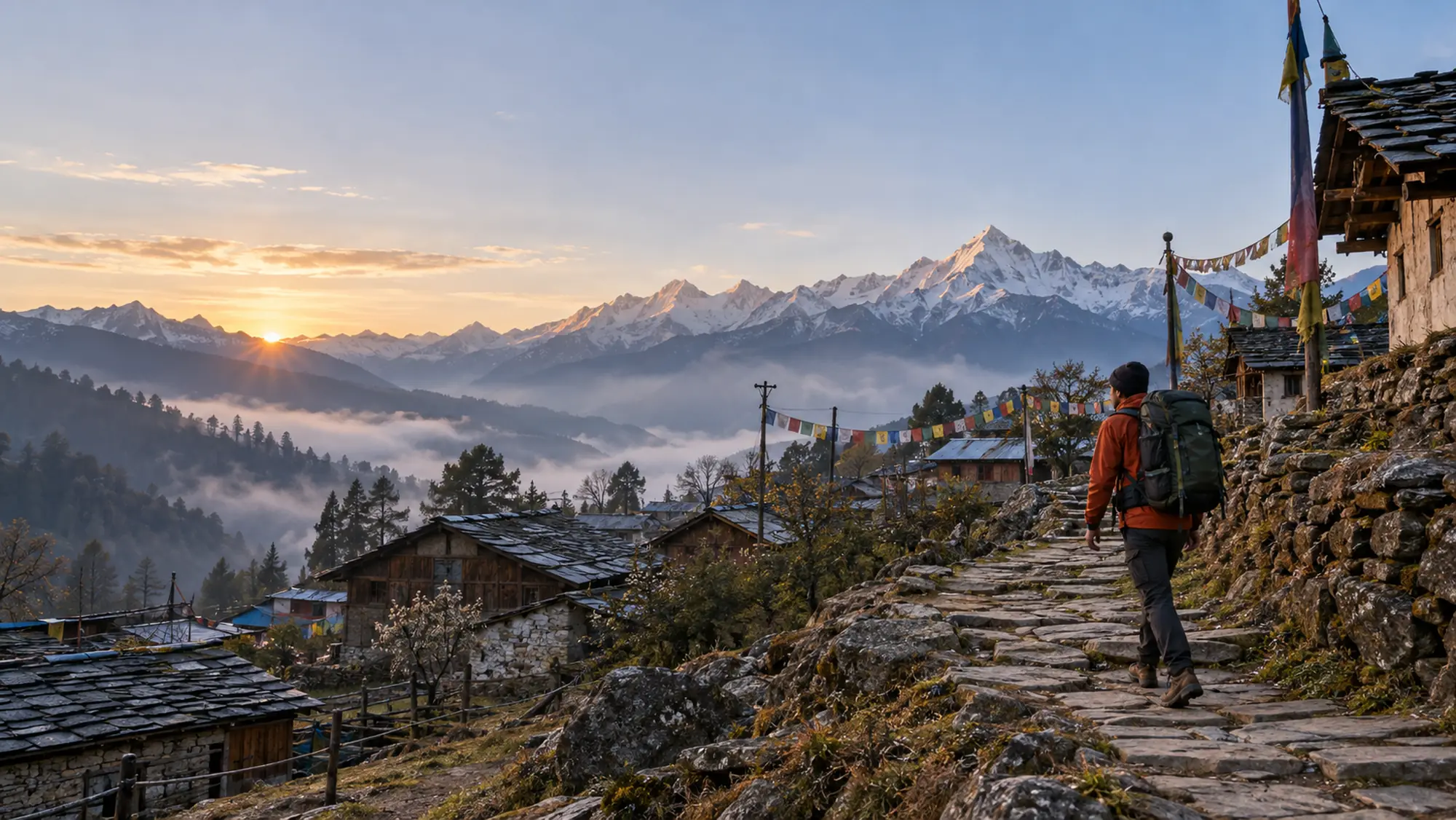
A trekker sets off along a stone path out of a Himalayan village at dawn, snow peaks ahead

Wifi to WildBespoke Himalayan treks. In Uttarakhand and Himachal Pradesh.

Small groups. Expert local leaders. Zero screen time.
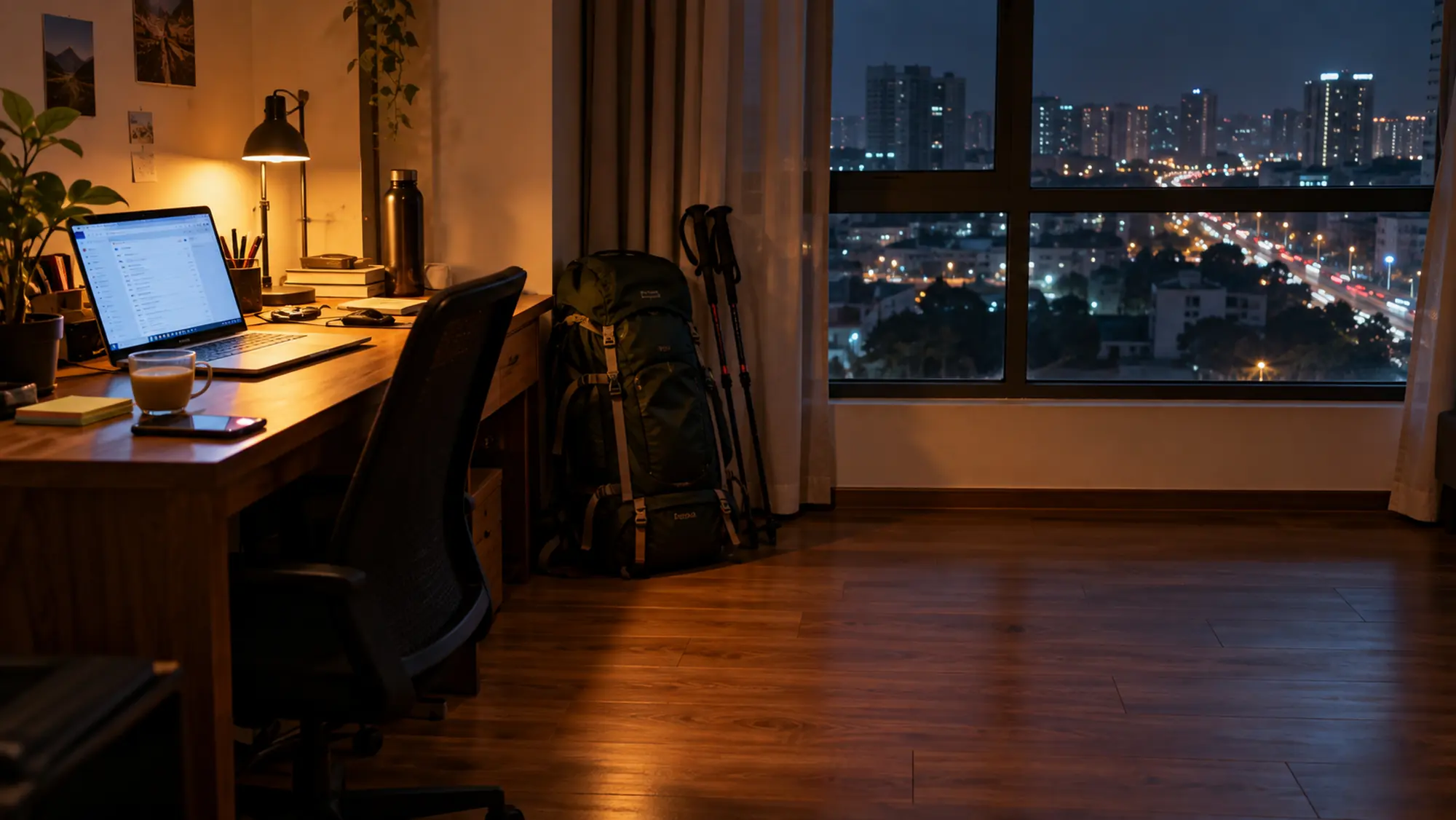
A desk in a city apartment at night, laptop glowing, a packed trekking backpack against the wall

Always connected, rarely present.

Forty tabs open, endless notifications, and weeks that blur together. It’s time to trade the glowing screen for the green forest.
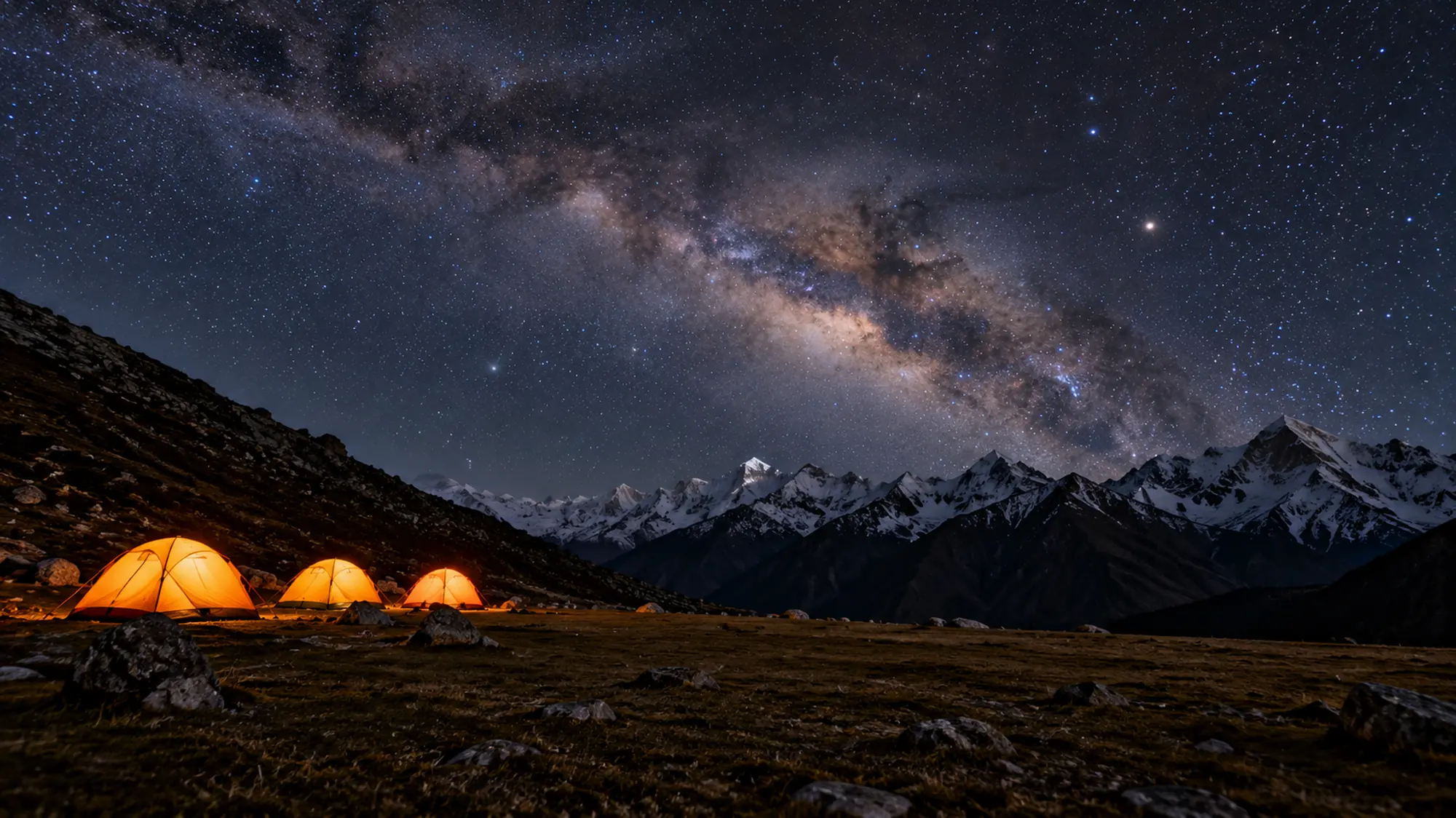
Three glowing tents at a high camp under the Milky Way, snow peaks on the horizon

No signal. Just stars.

Breathe, walk, and look up. Between warm tents, shared hot meals, and endless night skies, life gets wonderfully simple.
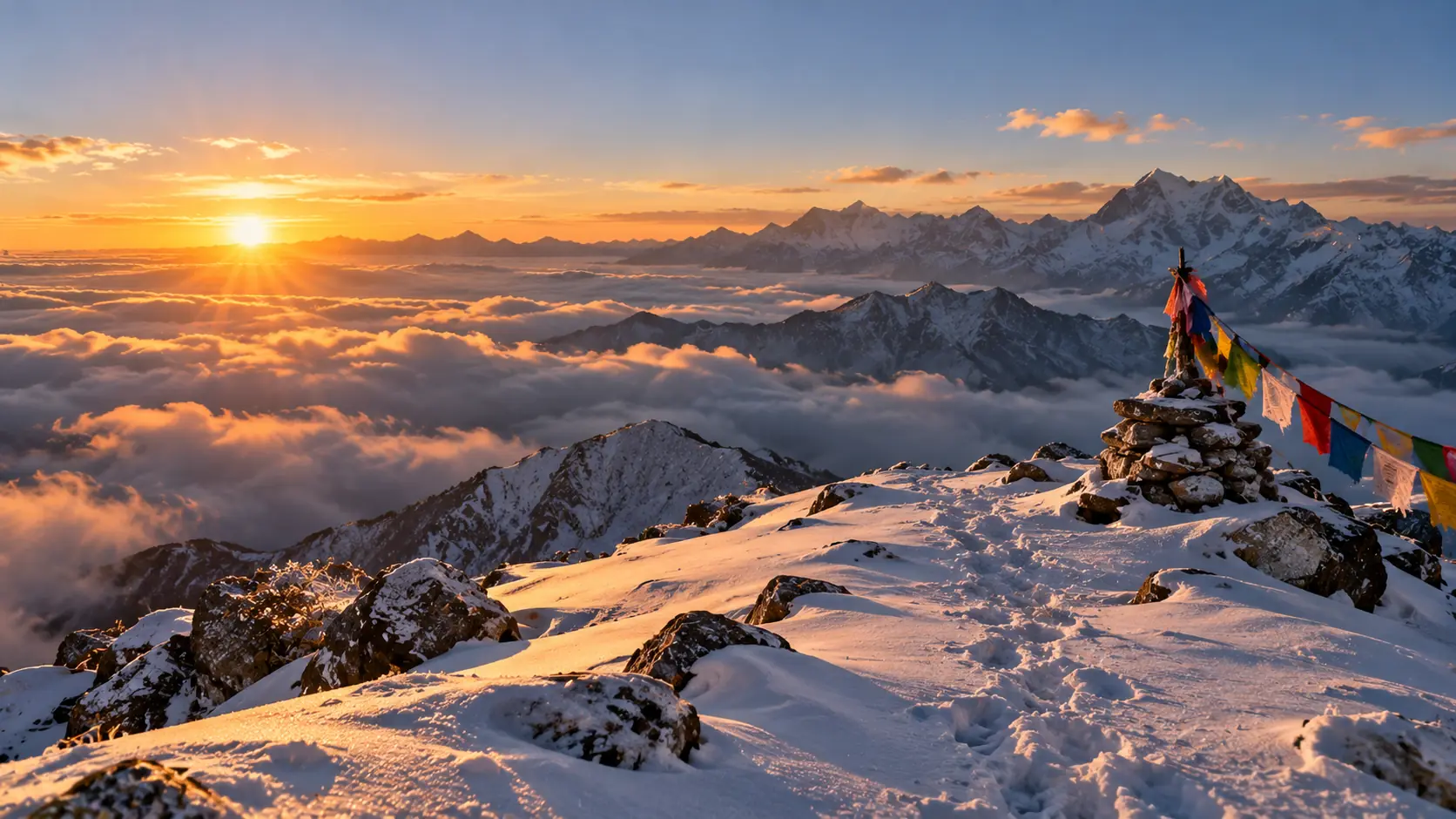
Sunrise over a sea of cloud from a snowy summit with prayer flags

Return with perspective.

The city will still be as fast-paced as you left it. The difference is, it won’t shake you anymore.

Wifi to Wild
Uttarakhand · Himachal

Wi-Fi920 m · 3,020 ft
The Way We Tread

From the roadhead to the high ridges, every step reflects how we treat the trail, the team, and the terrain.

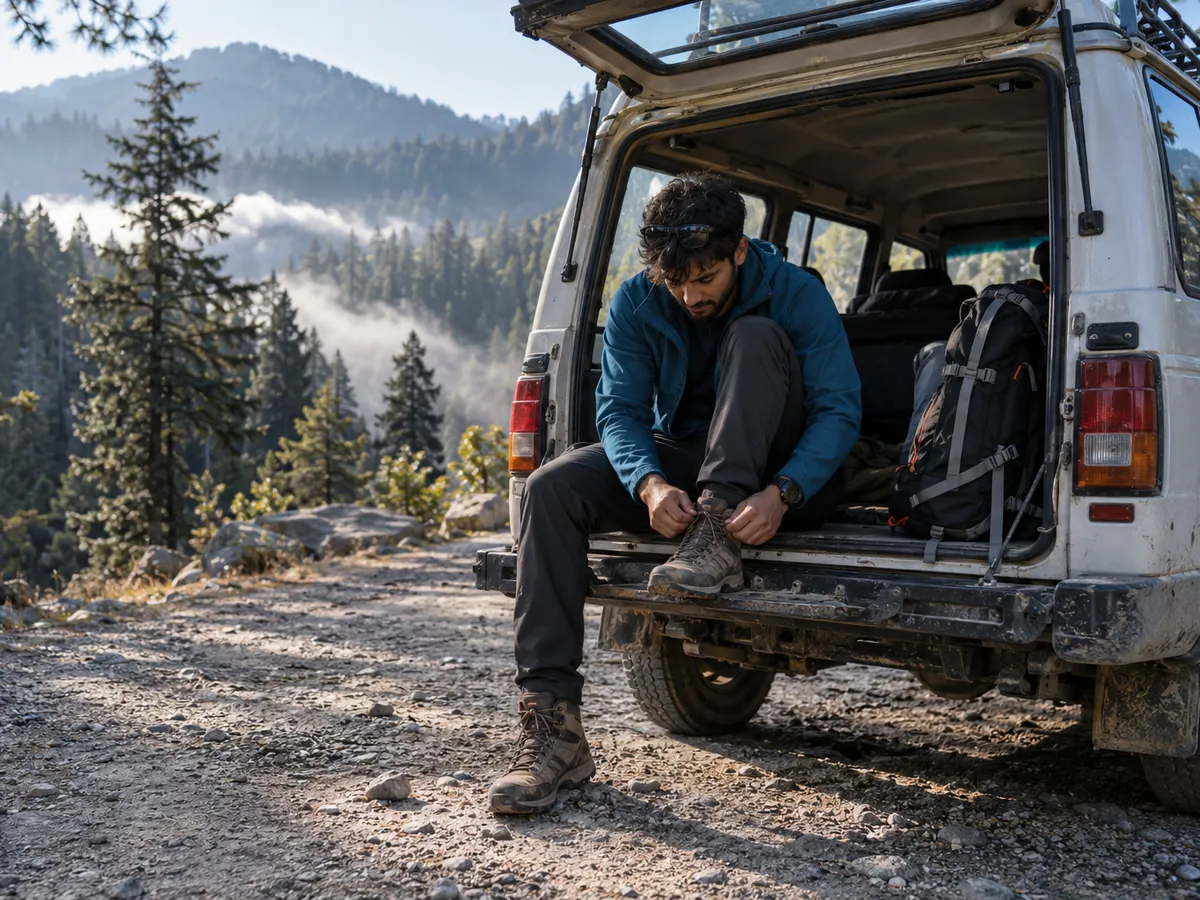
  1. The roadhead · 1,950 m

    Built from the trek we couldn't find.

    After years behind city screens, we searched for high-mountain expeditions that weren't noisy, rushed, or packed like tourist buses. When we couldn't find them, we decided to run them ourselves. Wifi to Wild is the journey we always wanted: slow, small, rooted in mountain knowledge, and genuinely offline.

    A trekker ties their boot laces on the tailgate of a jeep at a gravel roadhead, mist in the pines below
  2. The team · 2,780 m

    Kept small. Kept personal.

    Silence doesn’t survive a crowd. We deliberately run low-density batches instead of commercial assembly lines. Every expedition is guided by certified mountain leaders who know your pace, your comfort zone, and your name before the first day is out.

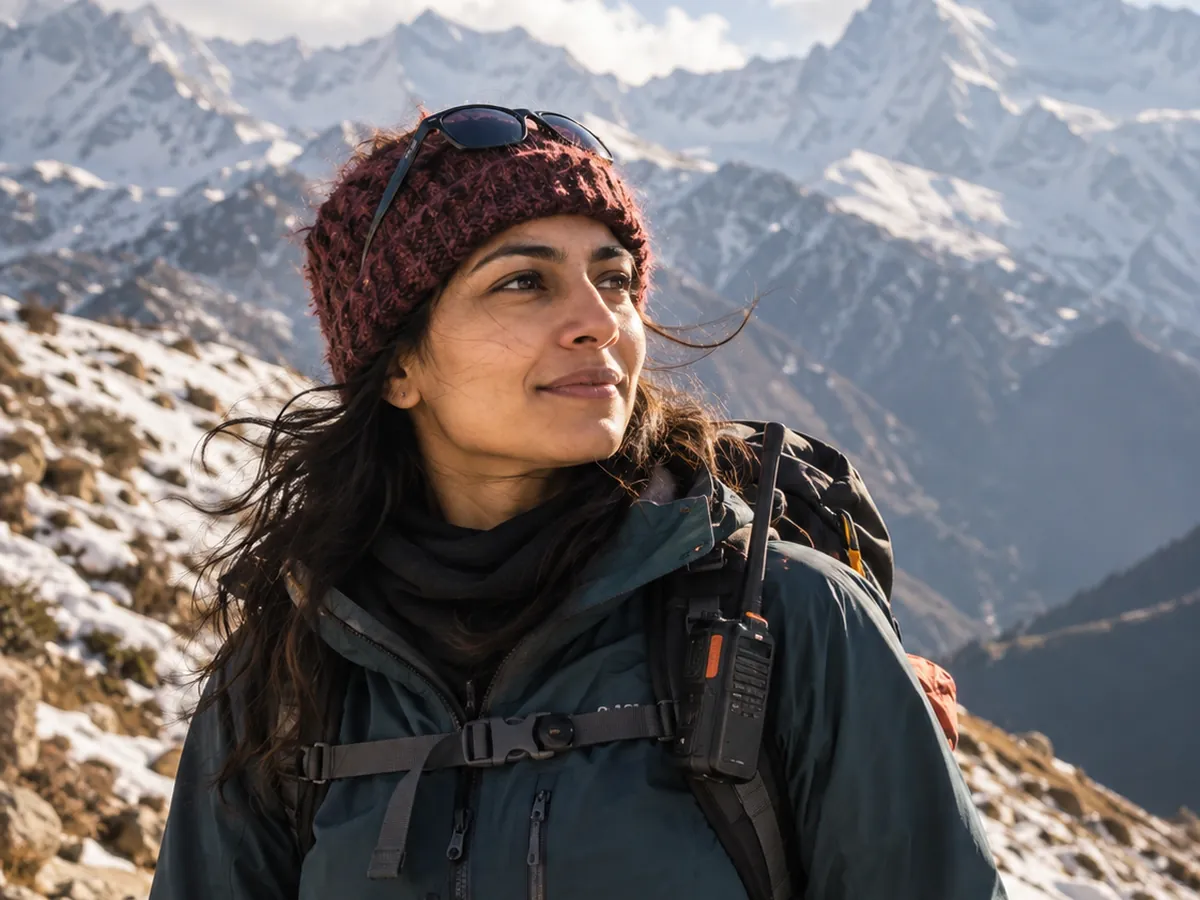
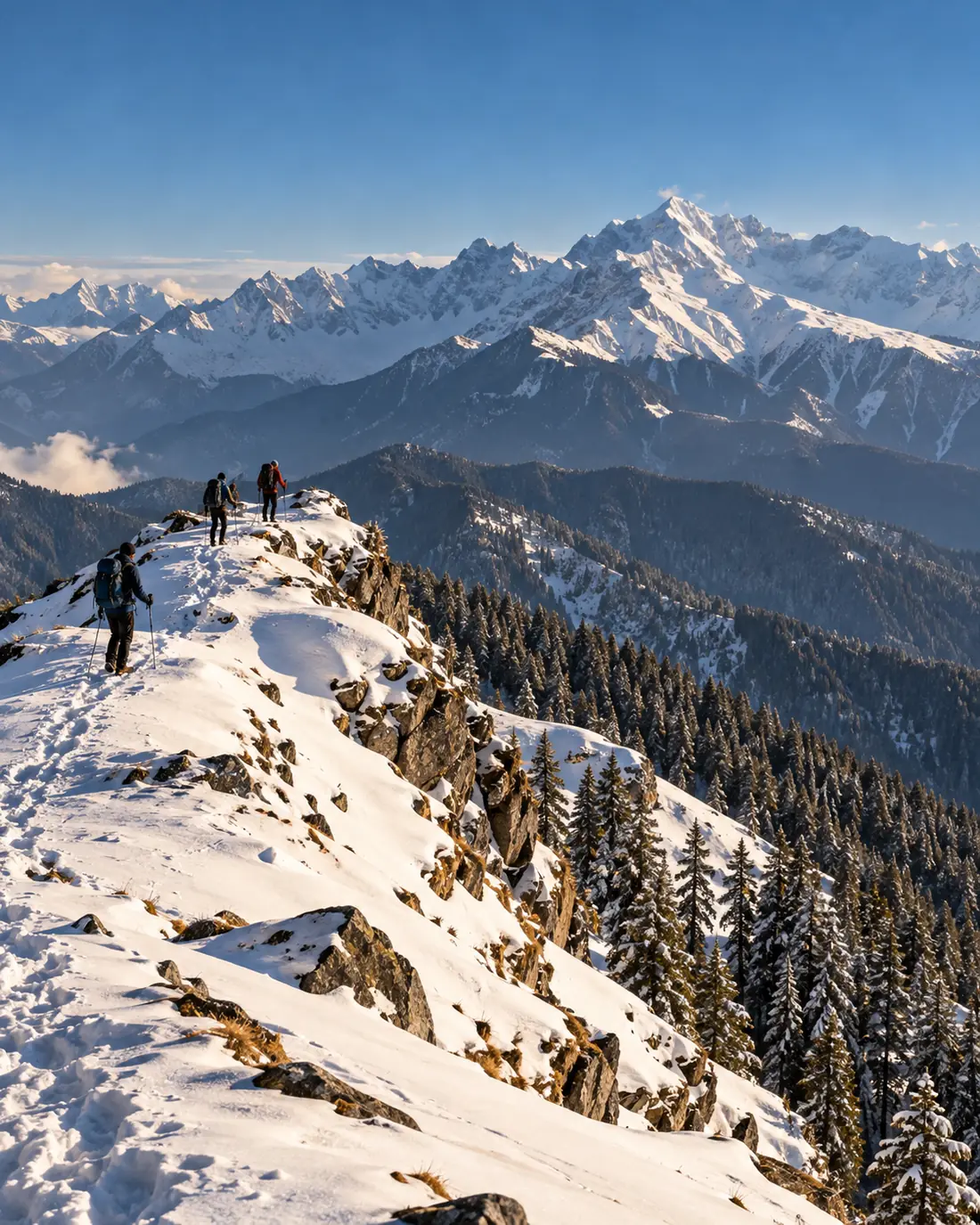
    A trek leader in a red wool cap on a snowy ridge
  3. The village · 3,050 m

    Rooted in the valleys we cross.

    Our guides, cooks, and support crews call these mountain regions home. By sourcing supplies, equipment transport, and logistics through local regional networks, the economic value of your journey stays directly in the hills.

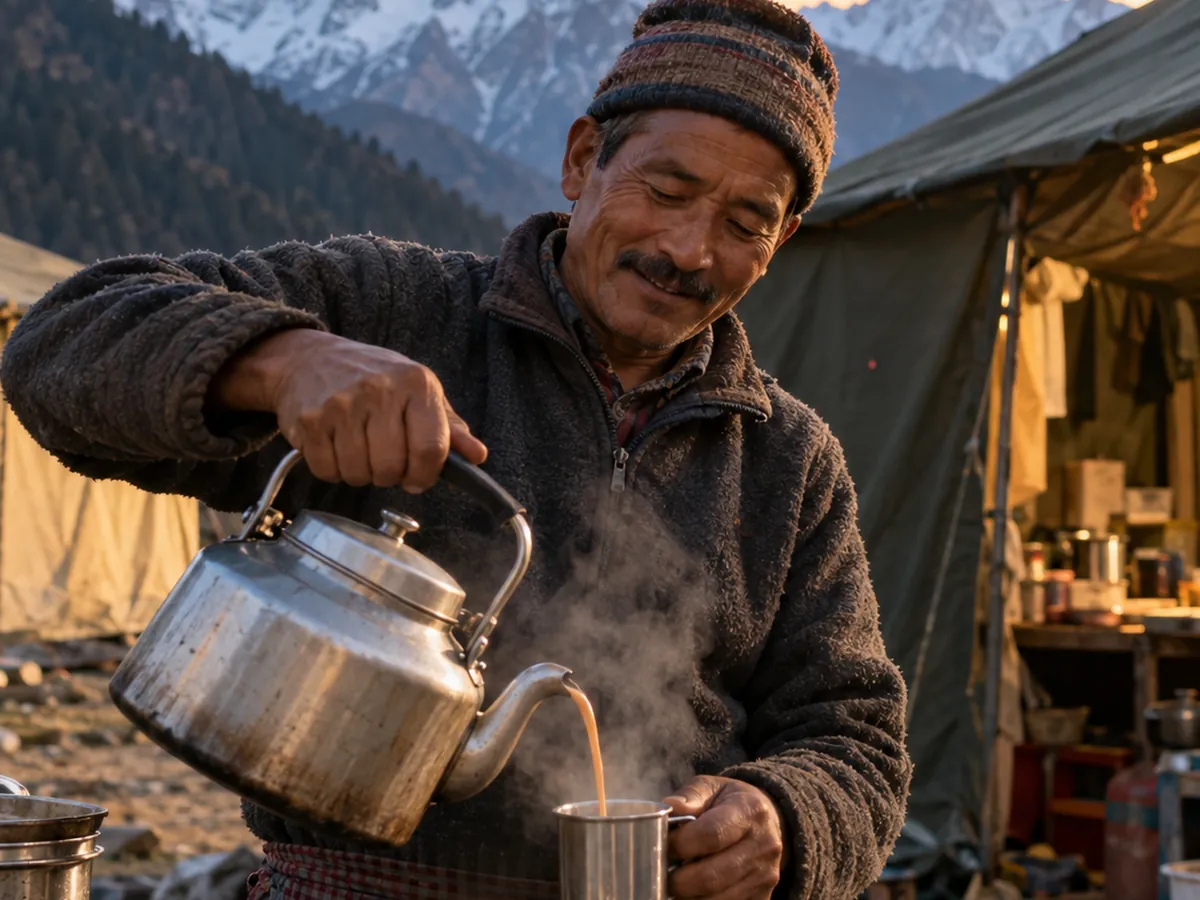
    A camp cook pours steaming chai into steel cups outside a kitchen tent
  4. The camp · 3,430 m

    What goes up, comes down.

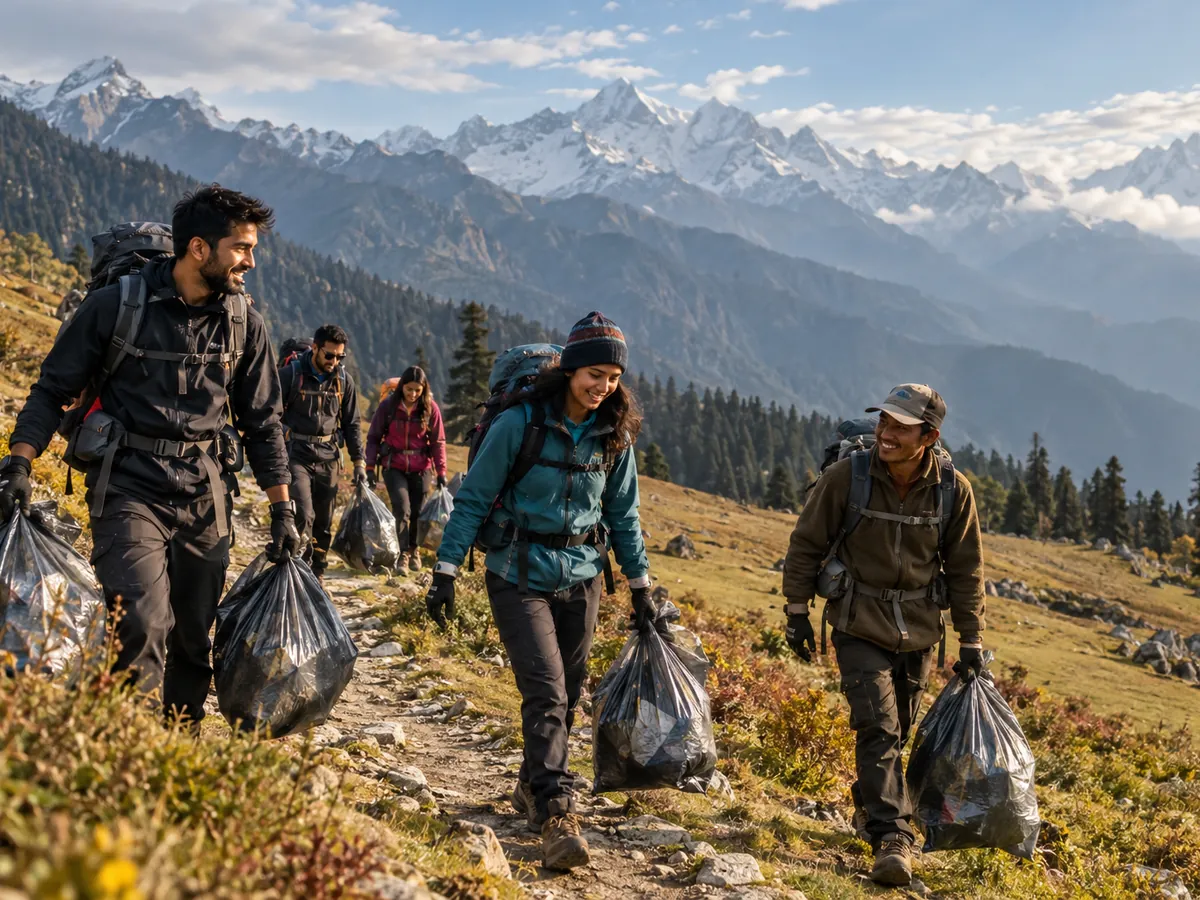
    Every wrapper, bottle, and tent peg leaves with us. In the off-season, our crews walk the trails again with empty sacks to haul down the rubbish left behind by others.

    Trekkers carrying full rubbish sacks down a mountain trail
  5. The ridge · 3,650 m

    The mountain sets the pace.

    Acclimatisation is built into every itinerary, our sweep leader stays at the back, and the summit always waits for the weather. Coming home safely is the only target that matters.

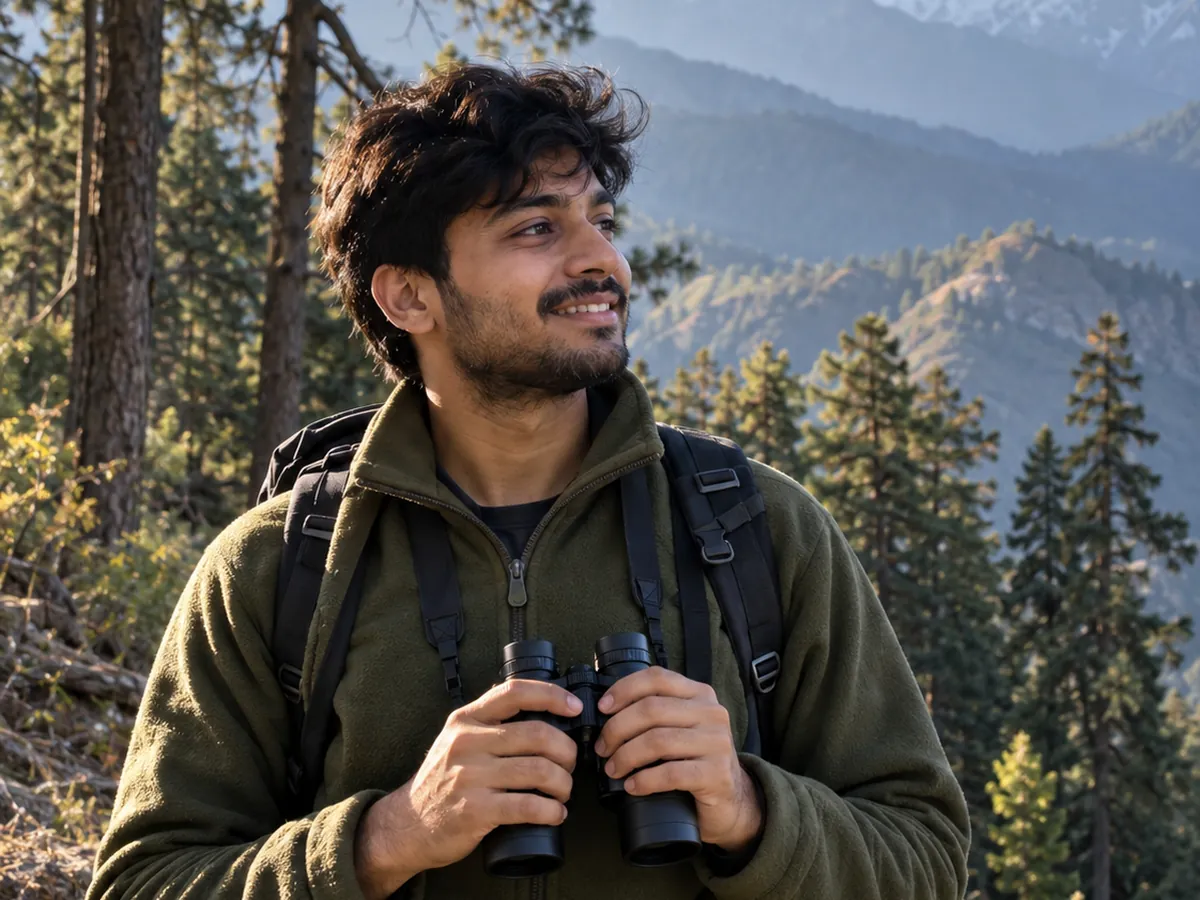
    A trek leader with binoculars scanning the ridges, snow peaks behind

High camp

Your turn.

Choose your trek

Questions before your first trek

Which Himalayan trek is best for beginners?

Kedarkantha (6 days, up to 3,810 m) and Brahmatal (6 days, up to 3,734 m) are the best first treks we lead. Both are graded Easy–Moderate, run through the winter snow season, and climb gradually through forest before the summit day.

How many people are in a Wifi to Wild trek group?

No more than 12 trekkers. Every departure has a certified trek leader and a local crew from the valleys we walk through.

What is included in the trek price?

Certified trek leader and local crew, All meals on the trail, cooked fresh, Tents, sleeping bags and microspikes, Forest permits and camping fees, Transport from the base town and back. Travel to the base town is not included.

When is the best time to trek in Uttarakhand and Himachal Pradesh?

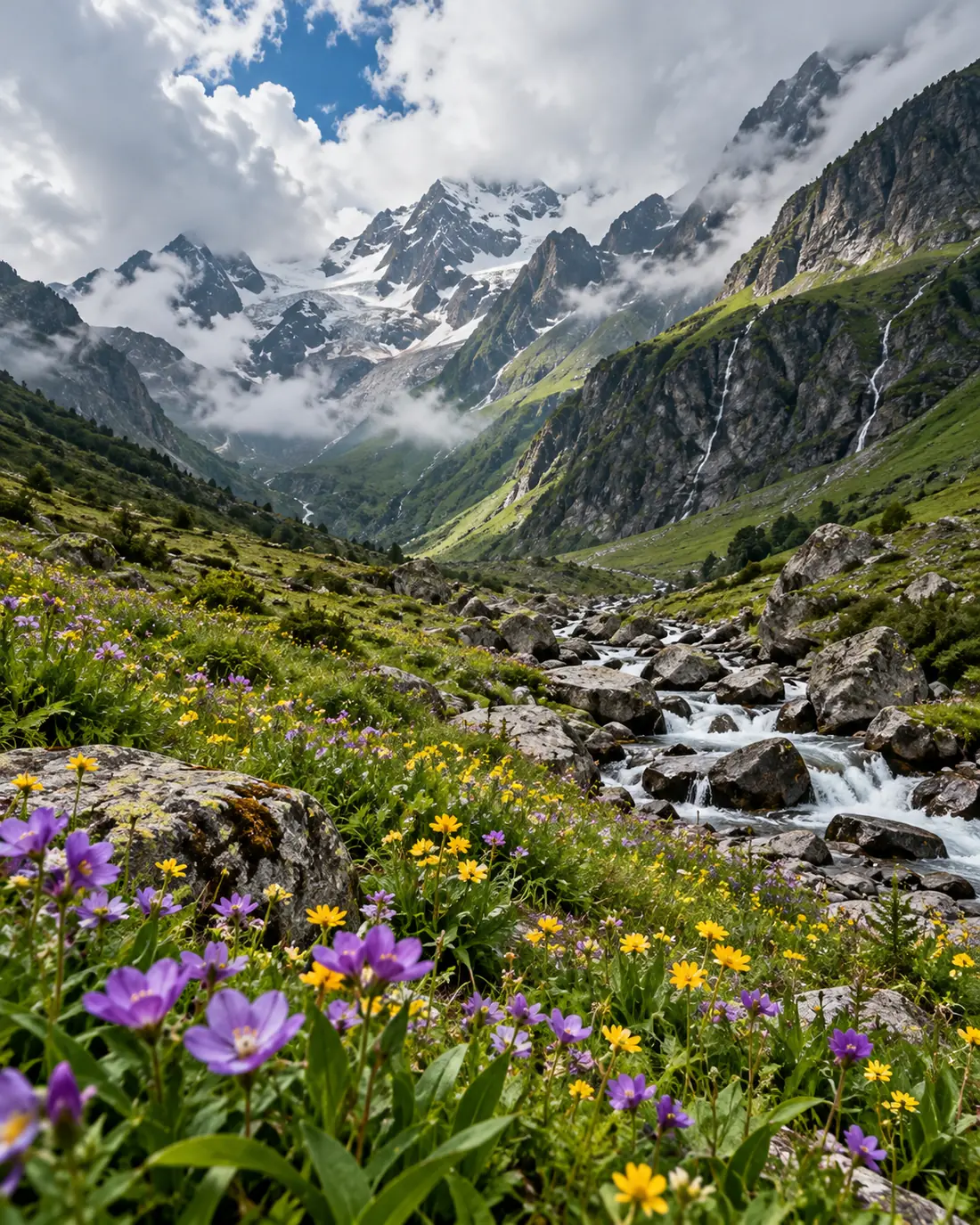
Kedarkantha: Dec – Apr. Brahmatal: Dec – Mar. Valley of Flowers: Jul – Sep. Hampta Pass: Jun – Sep. Har Ki Dun: Apr – Jun, Sep – Nov. Bhrigu Lake: May – Oct. Winter (December to April) is for snow treks; July to September is for monsoon meadows and flowers.

Will I have phone signal on the trek?

Expect signal to fade after the first day on the trail and to be gone at most high camps. Plan to be offline, and share your itinerary and the trek leader's number with family before you leave.

How fit do I need to be for a Himalayan trek?

For Easy–Moderate treks you should be able to walk five to six hours a day on uneven ground with a light daypack. Start walking, stair-climbing or jogging four to six weeks before your departure.

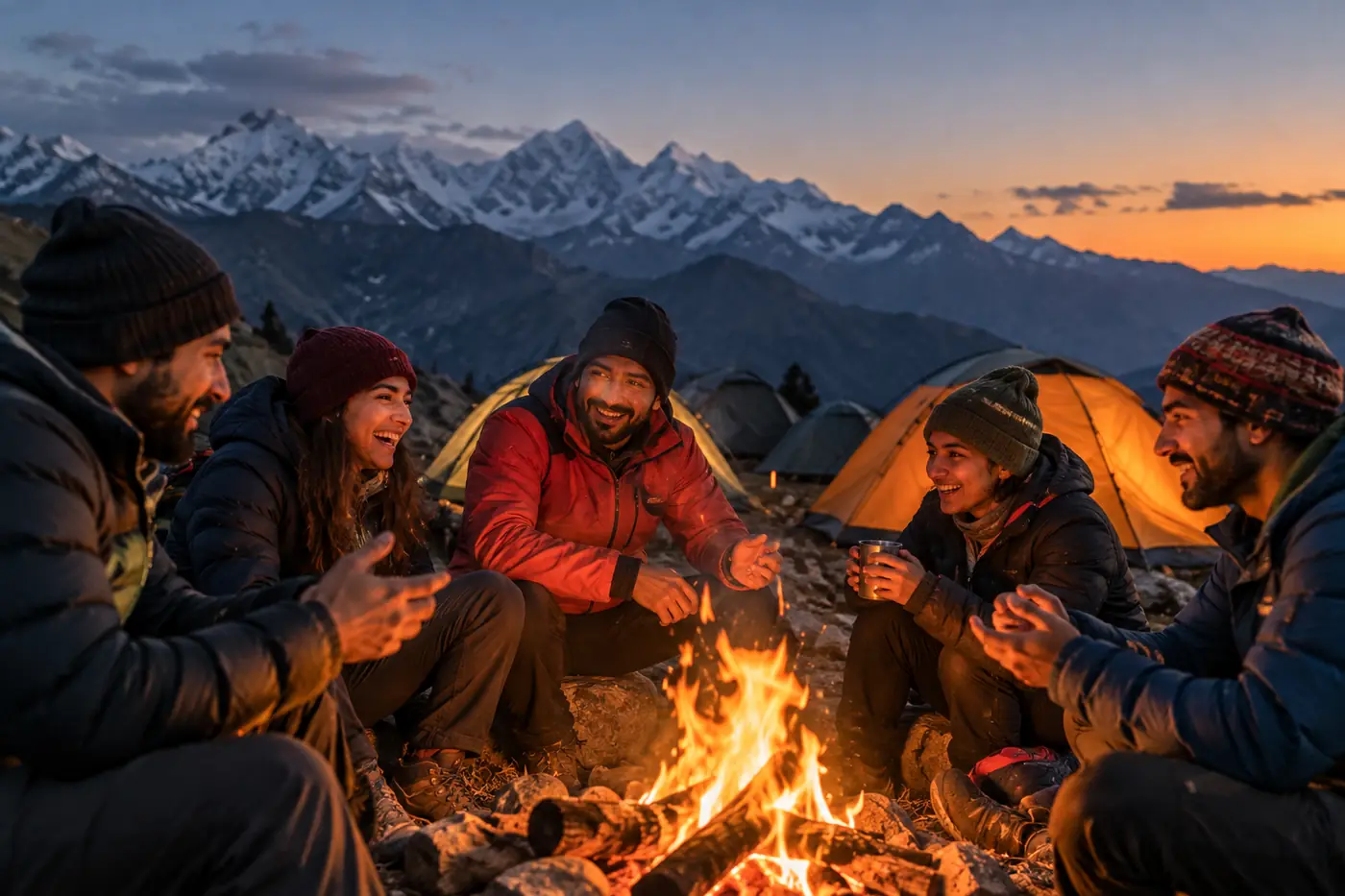
Trekkers laughing around a campfire at dusk, tents and snow peaks behind

Close the laptop. We’ll see you at the roadhead.

Not sure which trek is yours? Message a trek leader on WhatsApp. We will ask about your fitness, your dates and how much snow you want, and give you a straight answer.