Trail Hygiene and Camp Life: How Dry Toilets Work in Sub-Zero Weather
Nobody puts the toilet on the brochure, but everyone wonders about it. A plain guide to dry toilet tents, night-time visits at minus ten, and why it protects the mountain.
· 5 min read
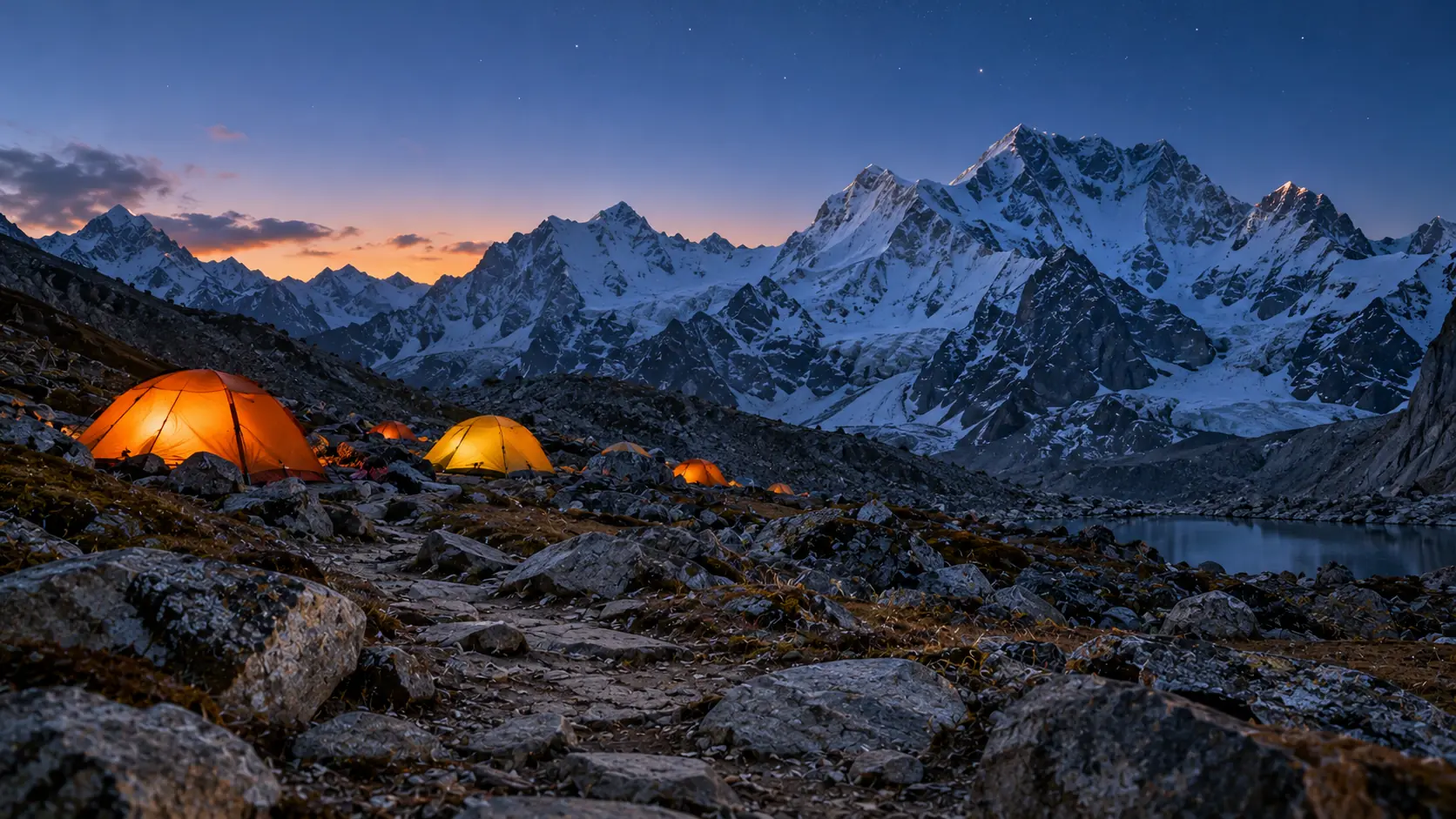
Let us talk about the question almost everyone asks and almost nobody types into a search box. Where do you go to the toilet on a Himalayan trek? And what happens at 3 a.m. when it is minus ten and your bladder has other plans?
It is less scary than you think, and it is a bigger deal for the mountain than you might guess. Here is how it works.
Why this matters so much
Cold, high mountains break things down very slowly. Waste that would vanish in a month in a warm forest can sit for years above the tree line. Snowmelt then carries it into streams and down to villages. A single careless spot beside a water source can affect people who live far below the campsite.
That is why trail hygiene is not an awkward extra. It is one of the main ways a trek treats the mountain and the people who live there with respect.
The dry toilet tent
On many treks, the crew sets up a small toilet tent at each campsite. It is a simple tall tent with no floor, pitched over a shallow trench or a pit that has been dug beforehand. Inside, you will find the trench, a pile of loose soil or ash with a small scoop, and a bin or bag for used toilet paper.
- You squat over the trench, using stepping stones or planks on either side if provided.
- After you finish, you scoop a handful of soil or ash over the waste. This covers it, reduces smell and speeds up natural breakdown.
- Toilet paper goes in the bin or bag, not in the pit. It does not break down in the cold, and it is the thing most commonly left behind on trails.
- Hand sanitiser or a bottle of water stands outside for cleaning up.
When the group leaves, the crew fills the trench with soil, so the site returns to its natural state. It is a quiet, routine job done properly by people who do it all season.
Digging and distance
Where there is no toilet tent, for example on a lunch stop, the rules change slightly. A proper cat-hole is dug about 15 to 20 cm deep, at least 60 m away from water, trails and camps. After use it is covered with soil and, where possible, a stone or turf is replaced on top. Choose a spot with soil that will not wash into a stream when it rains.
In snow, do not rely on burying waste. Snow melts and exposes what was hidden. In snow conditions, carrying out solid waste in a proper waste bag or using a designated toilet area is the better choice. Your trek leader will tell you which approach is used on your route.
What goes in your pocket and what goes in the bin
- Used toilet paper and wet wipes: packed out, never buried or burned. Carry a few ziplock bags for this.
- Sanitary pads, tampons and period products: packed out in a sealed opaque bag.
- Biodegradable soap: use sparingly, at least 60 m from water.
- Hand sanitiser: bring a small bottle. It is the easiest way to stay clean when water is frozen.
The 3 a.m. problem
Now the real question. It is dark, the tent is frozen and your sleeping bag is the warmest place you have been all day. How do you get through the night?
Start with a few smart habits before bed. Drink water through the afternoon and evening, because dehydration is a bigger worry at altitude than a night walk. But ease off in the last hour before sleep. Use the toilet right before you get into your tent, even if you do not feel the need.
If you still wake up, here is how experienced trekkers handle it:
- Keep your headlamp, shoes and warm jacket at the door, in the same place every night, so you do not search in the dark.
- Keep your shoes and socks inside the tent. Frozen boots are horrible to put on.
- Put on your jacket and hat before you unzip. Heat leaves in seconds.
- Walk to the toilet tent, which is set a safe distance away. Do not wander off alone beyond the camp lights, since snow, slopes and animals are real hazards.
- Tell your tent mate you are going out, or wake a leader if you feel unwell, dizzy or confused.
- A wide-mouthed bottle or pee bottle kept in the tent is a classic trick, and many trekkers swear by it. Label it clearly, never mix it up with your drinking water, and empty it properly in the morning. Women can use a funnel device with practice, and it is worth trying at home first.
Staying clean without much water
Showers are not a thing on high treks. Instead, you manage with a small system that works well:
- Wet wipes or a small cloth for hands, face and key areas, packed out afterwards.
- Hand sanitiser after every toilet visit and before every meal.
- Dry shampoo or a warm cap. Nobody cares about your hair on day four.
- A fresh pair of socks and underwear each night, with the day's pair dried on your pack or in your sleeping bag.
Warm water is often brought to camp for washing hands or faces. Ask the crew, and use it sparingly. Fuel and water are both precious up high.
Gut health on the trail
Upset stomachs are one of the most common reasons trekkers feel unwell, and good hygiene stops most of them. Clean your hands before eating, stick to the boiled or treated water your crew provides, and tell your leader early if you get diarrhoea, since dehydration at altitude can get serious fast. Carry any medicines your doctor has recommended for you.
The honest bottom line
Day one, the toilet tent feels like the strangest part of the trip. By day three, nobody mentions it. The point is not comfort. The point is that a few hundred people can walk through a fragile place in a season and leave it clean.
If this is the thing holding you back from booking, ask a trek leader on WhatsApp. We are happy to talk about how toilets and camps work on any route, from Kedarkantha to Brahmatal, with no embarrassment at all.
Questions before you book?
A trek leader will answer on WhatsApp, usually the same day.
WhatsApp +91 98412 74429Treks in this story
Winter Snow
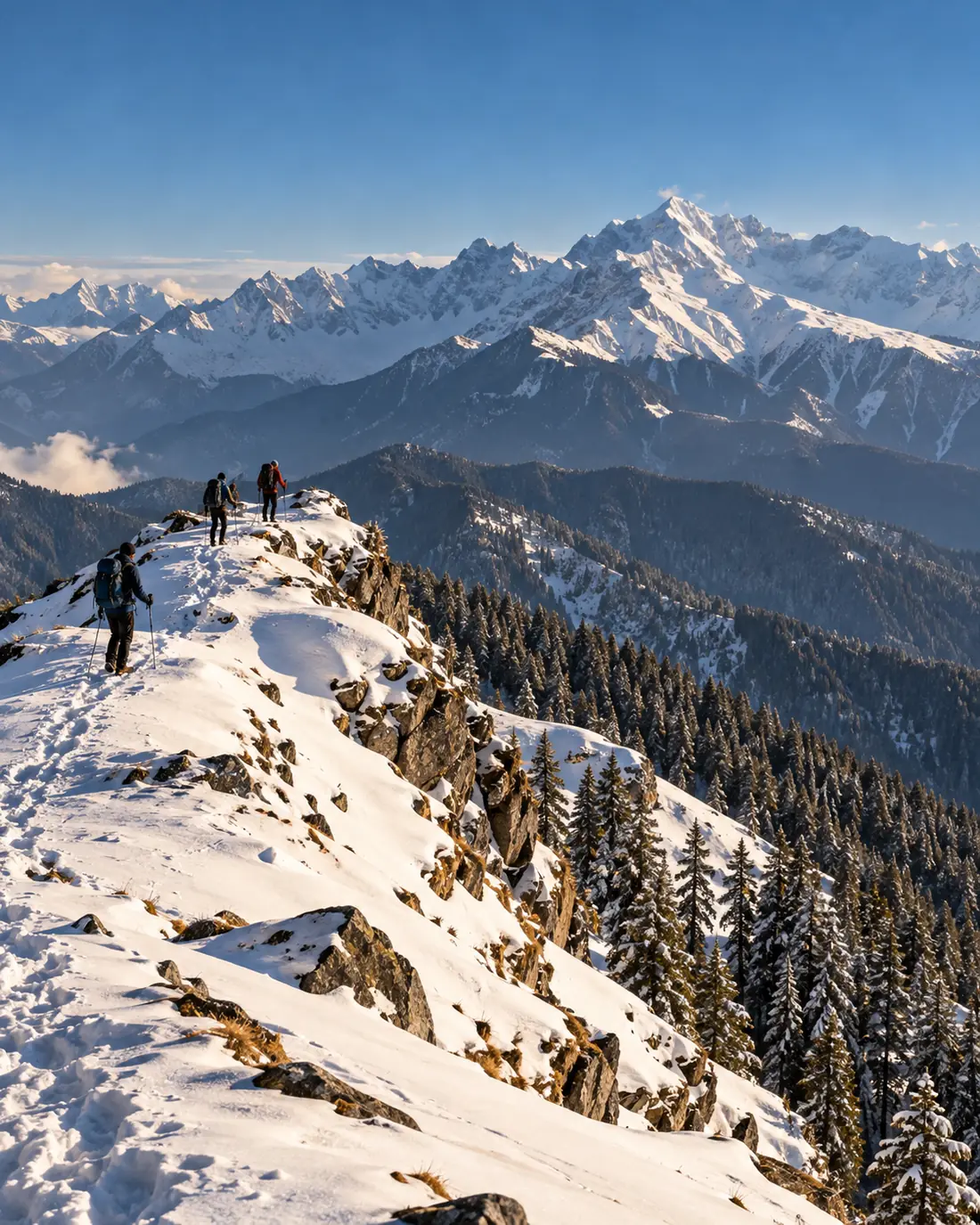
Kedarkantha
Uttarakhand
The classic first snow summit, through silent pine forest.
- 6 days
- 3,810 m
- Dec – Apr
₹6,000 per person
Next departure 5 Dec
Winter Snow
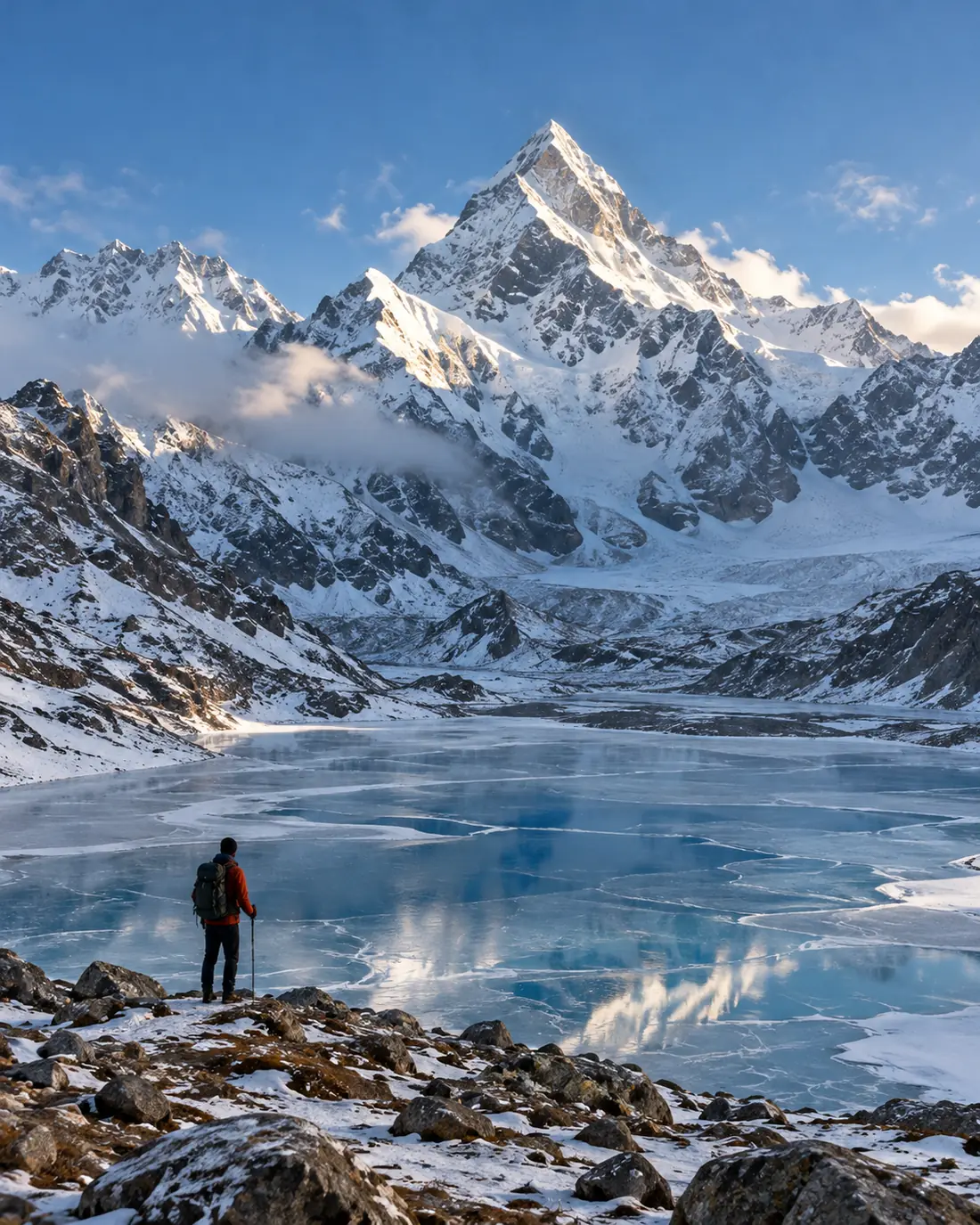
Brahmatal
Uttarakhand
A frozen lake with Trishul and Nanda Ghunti for company.
- 6 days
- 3,734 m
- Dec – Mar
₹10,499 per person
Next departure 21 Dec